ZOA Class Action Lawsuit
ZOA class action lawsuit.
ZOA energy drinks contained preservatives despite marketed as having "0 preservatives."
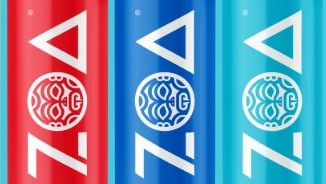
ZOA Class Action Lawsuit
The ZOA Energy class action is a consumer false-advertising case alleging that certain ZOA Energy, LLC cans were marketed as having “0 Preservatives” even though the drinks contain citric acid and ascorbic acid—ingredients the plaintiff claims function as preservatives, making the label misleading.
The complaint asserts consumer-protection and related claims (including California unfair competition/false advertising theories and breach of warranty / restitution-style claims).
ZOA Class Action Settlement - $3,000,000
The $3 million figure wasn’t picked from a public “per-can damages” formula—it’s described as the result of arm’s-length negotiations meant to avoid the cost and uncertainty of continuing the case. The amended settlement papers say the parties held extensive discussions and a mediation overseen by retired federal judge Dickran Tevrizian, and that they renegotiated after a June 25, 2025 order denying preliminary approval of an earlier deal—specifically to address concerns raised by the Court and additional issues raised by some state attorneys general.
In that context, $3M functions as a compromise “common fund” large enough to pay consumer claims while still being a number ZOA Energy, LLC would agree to in exchange for a nationwide release of claims and an end to litigation risk. The class notice also emphasizes the Court didn’t rule for either side, and the settlement was reached to avoid expense and risk—another signal that the amount reflects negotiated risk-discounting rather than a proven damages total.
Deadline for filing a claim: September 18, 2026
Energy Drinks Class Action Payout: $10 - $150
Payouts are $1 per can of eligible ZOA products you claim, with the amount capped by proof level. If you submit proof of purchase, your settlement payment is capped at $150 per household. If you submit no receipts, it’s still $1 per can, but capped at $10 per household.
Those caps are a core part of how the payout was “decided”: the settlement uses a per-unit formula (simple to administer), then limits exposure and discourages inflated claims by setting a much lower ceiling for attestation-only claims.
The money comes from a $3,000,000 Settlement Fund, which also covers items like notice/administration, service awards, and attorneys’ fees/costs—so claim payments are made from what remains after those deductions.
If the total value of approved claims exceeds the net funds available, payments can be reduced pro rata (everyone’s check scales down proportionally).
Energy Drinks Class Action Eligibility
Eligibility is narrowly tied to the exact label claim and time window at issue in Gershzon v. ZOA Energy, LLC: you’re generally in the Settlement Class if (1) you purchased any ZOA Energy drink that displayed “0 Preservatives” on the label, (2) you bought it in the United States, (3) it was for personal use (not resale/distribution), and (4) the purchase happened between March 1, 2021 and November 21, 2025.
A unique eligibility “hook” in this case is that the alleged deception isn’t about caffeine levels or performance claims—it’s about a binary statement (“0 Preservatives”) that the plaintiff says would matter to a reasonable consumer because the products contain citric acid and ascorbic acid, which were alleged to function as chemical preservatives.
That framing is why the class definition is label-specific (it doesn’t sweep in every ZOA product or every can).
For claims, the settlement differentiates between receipt vs. no receipt: with proof, you can claim $1 per unit up to $150 per household; without proof, the claim is capped at $10 per household (still based on units you attest you purchased).
Energy Drinks Class Action Claim Form
1
2
3
FAQ
No. You don’t need exact dates. As long as your purchases reasonably fall within the settlement period and involved cans labeled “0 Preservatives,” you can still submit a claim.
That’s fine. Eligible purchases include ZOA bought anywhere in the U.S.—online or in-store—so long as the can displayed the “0 Preservatives” claim.
The per-can structure ties payouts to actual purchasing behavior, making compensation more proportional while still keeping the claims process simple for consumers.
No. The settlement limits payments to one claim per household, which helps prevent duplicate recovery for the same purchases.
Claims are reviewed, and high claims without receipts may be capped or adjusted to maintain fairness across the settlement fund.
Yes. If you receive payment, you release related claims about the “0 Preservatives” labeling for the covered products and time period.
Lower caps for no-receipt claims help reduce fraud and ensure more settlement funds go to consumers who can document larger purchases.
No. You don’t need to explain your motivations—only that you purchased the eligible product during the class period.
If approved claims exceed available funds, payments are reduced proportionally so all approved claimants receive a fair share.
No. ZOA denies the allegations. The settlement resolves the dispute without a court ruling on whether the labeling was unlawful.