Sign Up for Toyota Class Action Lawsuit
Toyota class action lawsuit is currently open:
Those who meet eligibility criteria should apply before the deadline December 16, 2026. Toyota vehicles allegedly had defective airbag control units that could fail in crashes, preventing airbags and seatbelts from working as promised.
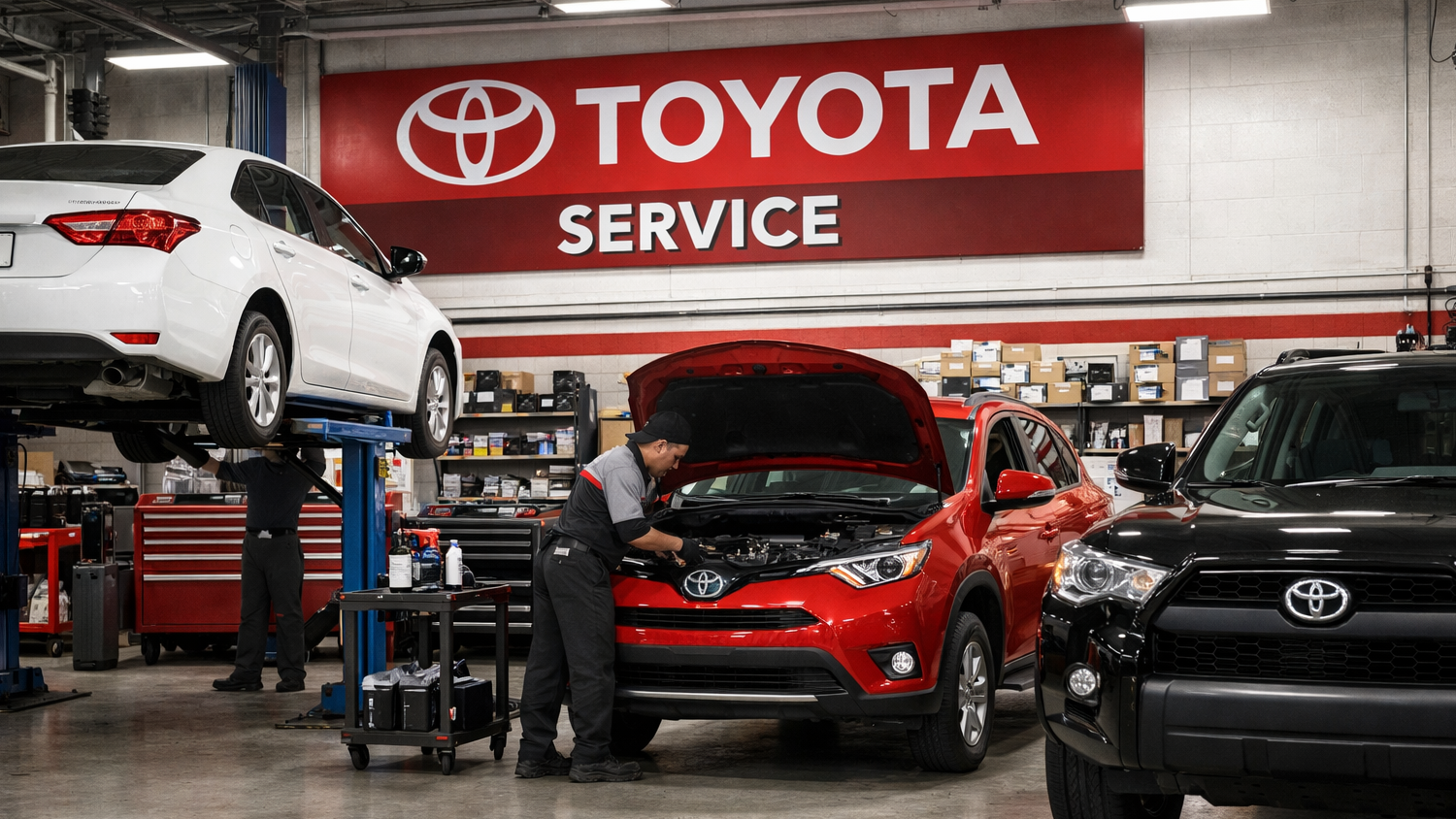
Toyota Class Action Lawsuit
A class action lawsuit has been filed against Toyota due to alleged defects in certain airbag control units that may fail during crashes. Known as the Toyota Airbag Control Unit class action case, the lawsuit claims that ZF-TRW–manufactured airbag control units installed in millions of vehicles can malfunction when exposed to electrical overstress, preventing airbags and other safety systems from deploying as designed.
The Toyota Airbag Control Unit lawsuit details trace back to complaints that airbags failed to deploy—or deployed improperly—raising serious safety concerns. Plaintiffs allege Toyota knew or should have known about the defect but continued selling affected vehicles without adequate disclosure. These Toyota Airbag Control Unit legal claims focus on consumer protection violations, defective design, and economic losses tied to vehicle value and repair costs.
The lawsuit was filed in 2019 as part of In re ZF-TRW Airbag Control Units Products Liability Litigation in the U.S. District Court for the Central District of California, Case No. 2:19-ml-02905-JAK, before Judge John A. Kronstadt. Multiple consumers filed the action, represented by firms including Lieff Cabraser Heimann & Bernstein and Baron & Budd. After several years of litigation, the case reached a proposed settlement in 2023, supported by court-approved settlement agreements and final approval orders.
Toyota Class Action Settlement - $78,500,000
The Toyota Airbag Control Unit settlement update marks the resolution of a long-running, nationwide safety case involving millions of vehicles. The Toyota Airbag Control Unit lawsuit settlement amount totals $78.5 million and was approved after more than four years of litigation, extensive technical discovery, and multiple court-supervised mediation sessions in a federal MDL.
The settlement value was shaped by several case-specific factors: the scale of potentially affected vehicles, expert analysis of airbag control unit failure risks tied to electrical overstress, projected consumer economic losses, and the real-world costs of recalls, diagnostics, and repairs. The court also weighed the value of non-cash relief, which is unusually significant in this case.
Under the agreement, Toyota committed to a non-reversionary $78.5M fund, a 12-year extended warranty on replacement airbag control units, and a 10-year inspection and monitoring program designed to detect future airbag non-deployments. Eligible class members may also receive reimbursement for qualifying out-of-pocket expenses and residual cash payments of up to $250, depending on participation.
The Toyota Airbag Control Unit settlement eligibility generally includes owners and lessees of covered Toyota vehicles nationwide.
Deadline for filing a claim: December 16, 2026
Airbag Class Action Payout: Up to $250 per class member
The Toyota Airbag Control Unit settlement amount per person depends on how each class member is impacted and how many valid claims are submitted. Claimants in this settlement may receive between $10 and $250, with higher amounts tied to documented, recall-related expenses. The settlement prioritizes reimbursement for out-of-pocket costs such as rental cars, towing, transportation, lost wages, or other expenses incurred while addressing airbag control unit recalls or inspections.
Class members who did not incur expenses may still qualify for a residual cash payment, capped at $250 per person, which is distributed only after reimbursements, administrative costs, and court-approved fees are paid. Because the fund is non-reversionary, any remaining money is redistributed to eligible claimants rather than returned to Toyota.
For those tracking the Toyota Airbag Control Unit settlement payout date, payments are expected after the claims deadline and a multi-step review process, including eligibility verification and fraud screening. Based on court filings, distribution is anticipated to begin in 2027, though timelines may shift due to appeals or claim volume.
Consumer Product Liability Class Action Payouts


Airbag Class Action Eligibility
The Toyota Airbag Control Unit class action eligibility focuses on whether a vehicle contained a ZF-TRW airbag control unit vulnerable to electrical overstress (EOS). Court filings explain that eligibility hinges on vehicle configuration and ownership, not whether an airbag failure actually occurred.
Proof of an airbag failure can change your payout, but it does not change basic eligibility. With no failure, you may be eligible for a residual cash payment (up to $250, if funds remain). If a failur or suspected failure had documented costs you may be eligible for higher reimbursement tied to actual expenses (repairs, diagnostics, towing, rentals, lost wages). The court approved a structure that compensates economic loss and risk exposure, not personal injury. Proof of failure helps show actual financial impact, which moves a claimant from the residual pool into priority reimbursement categories.
Airbag Class Action Claim Form
1
2
3
FAQ
The lawsuit alleges certain Toyota vehicles contain ZF-TRW airbag control units vulnerable to electrical overstress, which can prevent airbags and safety systems from deploying properly during a crash.
No. Eligibility is based on owning or leasing a qualifying Toyota vehicle with the affected airbag control unit, not on proving an airbag failure occurred.
Court documents show the defect risk may exist even in vehicles not formally recalled, which is why the settlement includes unrecalled vehicles and a long-term inspection program.
Eligibility is confirmed using your VIN to identify whether your vehicle was built with a ZF-TRW airbag control unit covered by the settlement.
This case includes a rare 10-year inspection and monitoring program and a 12-year extended warranty, not just cash payments.
Yes. While not required for eligibility, proof of non-deployment or investigation-related costs can move a claim from residual payments to higher reimbursement tiers.
Eligible expenses may include rentals, towing, transportation, diagnostics, recall-related repairs, and lost wages tied to inspection or recall service.
Residual payments are designed for claimants without documented expenses and are capped so funds prioritize reimbursements for consumers with actual economic losses.
Payments are expected after the claims deadline and administrative review, with distribution anticipated to begin in 2027 depending on claim volume and appeals.