Nutricost Class Action Lawsuit
Nutricost allegedly sold magnesium glycinate supplements with far less magnesium than the 420 mg promised on the label.

What happens next with the Nutricost settlement
The claim deadline passed on August 5, 2026. New claims for this settlement are no longer being accepted.
A judge has not approved the settlement yet. That decision comes at a court hearing — what a settlement calls its final approval hearing — set for October 15, 2026. Nothing is paid out before it.
Payments come after approval, and after any appeals. Anyone who objected to the settlement can ask a higher court to look at it again — an appeal — and that has to finish first. Eligible payments are sent once approval is final, and the stretch from a claim deadline to money in hand often runs a year or more. It varies from one settlement to the next.
Filed this claim with Chimo? The status of your claim is on the claims page in your account.
Settlements you can still claim in September, 2026
Tyson, Clemens, Seaboard, Hormel & Triumph
$30
Total Vision (California Residents Only)
$1,000
Flo Period Tracker
$700
Nutricost Class Action Lawsuit
A class action lawsuit has been filed against Nutricost over claims that its popular magnesium glycinate supplements never actually contained the magnesium the label promised. The Nutricost magnesium glycinate class action case began on August 25, 2023, when New York consumer Dalit Cohen sued eSupplements, LLC — the company doing business as Nutricost — in the U.S. District Court for the Eastern District of New York (case no. 2:23-cv-06387). The complaint was later amended to add Anastasia Kurtz of Ohio and Tina Scott of Colorado as class representatives, and a parallel Ohio lawsuit was folded into the case.
At the heart of the Nutricost lawsuit details is a chemistry problem: the labels advertise 420 mg of magnesium "as magnesium glycinate" in a two-capsule serving, but plaintiffs allege it is physically impossible to fit that much magnesium glycinate — a bulky, low-concentration form — into the size-00 capsules Nutricost uses. The Nutricost legal claims span eight counts across New York, Ohio, and Colorado consumer-protection statutes plus express and implied warranty law, including New York General Business Law §§ 349 and 350. Represented by Lemberg Law, LLC, the plaintiffs litigated through a motion to dismiss and discovery before reaching a settlement after a full-day mediation. Case documents and claim filing are hosted at the official settlement website, CohenMAG.com.
Nutricost Class Action Settlement - $1,835,000
Last updated June 2026. Nutricost has agreed to an all-cash Nutricost settlement fund of $1,835,000 to resolve the magnesium mislabeling claims, and the court granted preliminary approval in May 2026. The single most important date for consumers is the claim deadline: August 7, 2026. Miss it, and you forfeit any payment.
This Nutricost lawsuit settlement amount is a common fund — there is no separate voucher or product component. The fund covers class member payments along with attorneys' fees (Class Counsel is requesting up to one-third of the fund), settlement-administration costs, and incentive awards of up to $10,000 for each of the three class representatives. Whatever remains is the net amount distributed to claimants.
Nutricost settlement eligibility is broad: anyone who, while living in the United States, bought Nutricost Magnesium Glycinate Supplements in the 240-capsule or 120-capsule size during the class period of February 1, 2021 through June 8, 2026. Nutricost denies any wrongdoing and maintains its labeling has always complied with federal dietary-supplement regulations; the company agreed to settle to avoid the cost and uncertainty of continued litigation rather than admitting fault. A final approval hearing is set for October 15, 2026.
Claims closed: August 5, 2026
Nutricost Magnesium Supplements Class Action Payout: $19.95 per purchase
How much you get from the Nutricost settlement amount per person depends on whether you have a claim ID and PIN from the administrator. Each "Award Unit" is worth up to $19.95. If you file with a valid claim ID and PIN, you receive one Award Unit for every supplement your purchase records show. If you file without one, you receive a single Award Unit. The exact figure is pro-rated — the net fund is divided across all valid claims — so how much you'll get from the Nutricost lawsuit may land below the $19.95 cap if claims run high.
Payment arrives only after the court grants final approval at the October 15, 2026 hearing. Once the approval becomes final, funding follows within about two weeks, and the administrator then issues payments. Claimants can choose a mailed check or an electronic payment by selecting that option on the claim form; checks must be cashed within 60 days or they become void, with any leftover funds redistributed or sent to a charitable recipient. For your Nutricost settlement payout date or a missing payment, contact JND Legal Administration at 1-888-337-8438. Filing requires no receipt — the no-proof option is built into the claim form.
Mislabeled Supplement Settlements

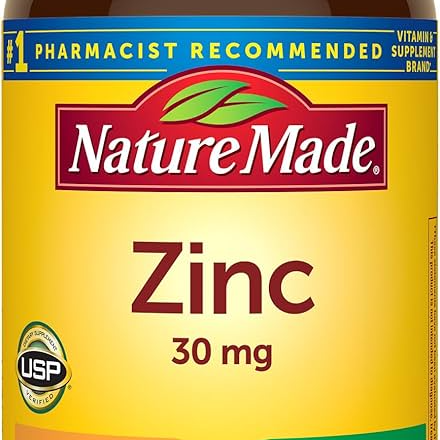
Nutricost Magnesium Supplements Class Action Eligibility
You may be a Nutricost class action claimant if you bought Nutricost Magnesium Glycinate Supplements while living in the United States during the class period. Unlike many supplement settlements, Nutricost class action eligibility is not limited to a single state — the case consolidated New York, Ohio, and Colorado claims into one nationwide class, so where you live doesn't disqualify you, and you don't need a receipt to file.
You qualify if:
- You purchased the supplement while residing in the U.S.
- Your purchase fell between February 1, 2021 and June 8, 2026
- You bought the 240-capsule or 120-capsule variant
FAQ
Plaintiffs argue magnesium glycinate is too low in magnesium concentration to deliver 420 mg in two size-00 capsules. To hit that number you'd need a denser form like magnesium oxide — so the label's "as magnesium glycinate" claim is allegedly impossible.
No. You can file without proof of purchase and still receive one Award Unit worth up to $19.95. A valid claim ID and PIN lets you claim one unit per supplement purchased instead of just one.
Each Award Unit is worth up to $19.95. The actual amount is pro-rated against the net fund and total valid claims, so a high claim volume could push individual payouts below that ceiling.
Magnesium glycinate is a chelated, highly absorbable form prized by consumers. The supplement facts panel must list elemental magnesium — and plaintiffs say Nutricost's products contained far less of it from glycinate than the 420 mg claimed.
Class Counsel at Lemberg Law will request up to one-third of the $1,835,000 fund — roughly $611,000 — plus costs. The court decides the final amount at the October 15, 2026 hearing.
Dalit Cohen, Anastasia Kurtz, and Tina Scott may each request an incentive award of up to $10,000 for representing the class, on top of any standard claim payment. These awards require court approval.
Yes. Beyond Cohen's New York case, plaintiff Kurtz filed a separate action in the Northern District of Ohio in June 2024, then dismissed it and joined the New York case, which was amended twice to build the nationwide class.
Settlement checks expire 60 days after issue. Uncashed funds may be redistributed to claimants who did cash their checks, and any remainder goes to a court-approved charitable (cy pres) recipient.
No. Nutricost denies all wrongdoing and maintains its labeling complied with FDA dietary-supplement rules at all times. It agreed to settle solely to avoid the expense and risk of continued litigation.