Google Class Action Lawsuit
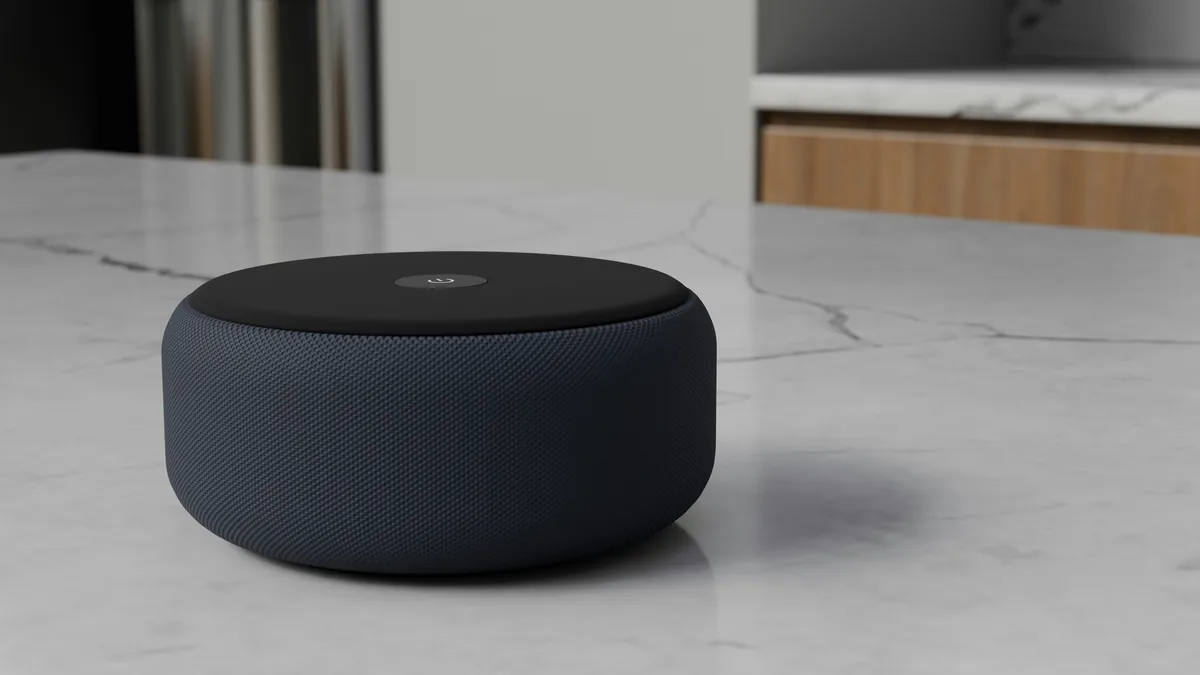
Google Assistant recorded private conversations through "False Accepts" — when devices switched on without anyone saying "Hey Google."
What happens next with the Google settlement
The claim deadline passed on August 26, 2026. New claims for this settlement are no longer being accepted.
The court held its approval hearing on October 1, 2026. That is the hearing where a judge decides whether to approve the settlement, which a settlement calls its final approval hearing. Nothing is paid out until that approval is final.
Payments come after approval, and after any appeals. Anyone who objected to the settlement can ask a higher court to look at it again — an appeal — and that has to finish first. Eligible payments are sent once approval is final, and the stretch from a claim deadline to money in hand often runs a year or more. It varies from one settlement to the next.
Filed this claim with Chimo? The status of your claim is on the claims page in your account.
Settlements you can still claim in October, 2026

CVS
$10
NAR & Real Estate Brokerages
$300
Tyson, Clemens, Seaboard, Hormel & Triumph
$30
Google Class Action Lawsuit
A class action lawsuit has been filed against Google because its voice assistant allegedly recorded people's private conversations when they never asked it to. Plaintiffs Asif Kumandan, Melissa Spurr (for her minor child), Lourdes Galvan, and Eleeanna Galvan sued Google LLC and Alphabet Inc., and the case was consolidated as In re Google Assistant Privacy Litigation in the Northern District of California before Judge Beth Labson Freeman.
The Google Assistant lawsuit details a long list of legal claims: violations of the federal Wiretap Act, the Stored Communications Act, California's Invasion of Privacy Act (CIPA), intrusion upon seclusion, the California Constitution's privacy guarantee, breach of contract, and California's consumer-protection laws (the CLRA and UCL). The plaintiffs are represented by Lowey Dannenberg, P.C.
The suit was sparked in July 2019 when a Belgian news outlet, VRT NWS, published a whistleblower's account that Google contractors were listening to Google Assistant recordings — including ones captured when no one said "Okay Google." What followed was nearly seven years of litigation, from the 2019 filing to a settlement signed January 22, 2026. Settlement documents are posted at GoogleAssistantPrivacyLitigation.com.
Google Class Action Settlement - $68,000,000
Google agreed to a $68,000,000 settlement to resolve the Google Assistant privacy lawsuit. The Google Assistant settlement amount is all cash, and it covers two groups: a Purchaser Class (people who bought a Google-made device) and a Privacy Class (people whose conversations were recorded through a "False Accept" or shared with a third-party review vendor) between May 18, 2016 and March 19, 2026. After notice costs, administration, attorneys' fees, and service awards are paid, the rest — the Net Settlement Fund — is split among everyone who filed a valid claim.
What makes this one sting: the $68 million is the entire extent of Google's obligation — and Google agreed to no injunctive relief at all. In plain terms, Google didn't promise to change how Google Assistant listens, store less audio, or stop sharing recordings. It wrote a check and admitted no wrongdoing. Any money left after payouts and uncashed checks can fund a second round to claimants or go to court-approved nonprofits as cy pres. Google Assistant settlement eligibility closed when claims did — August 27, 2026.
Claims closed: August 26, 2026
Google Assistant Class Action Payout: $10-175+
How much you get from the Google Assistant lawsuit depends on a points system, because the fund is split pro rata — there's no fixed dollar figure per person. The Purchaser Class earns 4 points for each Google-made device claimed, up to 3 devices (12 points max). The Privacy Class earns 1 point. Claimants who qualified for both could hold up to 13 points. The administrator divides the Net Settlement Fund by everyone's total points to set a per-point value, then pays out accordingly.
The claims hinge on "False Accepts" — moments when a Google Home, Nest Hub, or Pixel thinks it heard "Hey Google," wakes up, and records you when you never spoke the wake word. One named plaintiff says a private conversation about BBQ sauce — never typed or searched — turned into a BBQ sauce ad on his Instagram. Another found that 11 of 11 recordings on her account were captured without consent.
Payments go out within about 60 days after the settlement becomes final, following the October 1, 2026 approval hearing and any appeals. Claimants could choose PayPal, Venmo, Zelle, ACH, or a paper check. If your payment doesn't show, call the administrator at 1-877-411-4704.
So what will you actually get? No document promises a fixed number — it's split pro rata. But here's the math. After roughly $21M–$30M in fees, notice, and administration come out, about $38M–$47M is left to divide. Anchoring claim volume to Apple's near-identical Siri settlement (which paid ~$8 per device), a typical no-proof Privacy Class claim lands around $8–$10. A purchaser with a receipt for one device runs $25–$55, and a maxed-out claim — three devices plus a privacy claim, 13 points — could reach $50–$175. Most people are in the first bucket: a real, if small, check for a conversation you never agreed to share.
Not these are estimates, not a guarantee. Final amounts depend on how many people filed and what the court approves.
Your Claim
Estimated Payout
Privacy Class only — no proof needed
~$8-$10
Purchaser, one device (with proof)
~$25-$55
Maxed out — 3 devices + privacy (13 points)
~$50-$175
Google Assistant Class Action Eligibility
People were eligible to be Google Assistant class action claimants if, between May 18, 2016 and March 19, 2026, they either bought a Google-made device or had their conversations recorded by Google Assistant through a False Accept.
The claim form asked claimants to: (1) confirm which class(es) they were in, (2) list device model and serial/IMEI numbers, and (3) upload proof of purchase only for Purchaser Class devices.
The Privacy Class required no receipt — claimants attested under penalty of perjury that they used a Google Assistant device. And minors were covered: a parent or guardian could file on a child's behalf.
People could claim under one or both classes:
Class
You qualified if you...
Proof needed
Purchaser Class
ClassBought a Google-made device (Google Home, Nest Hub, Pixel, etc.) in the US
Yes — receipt and serial numbers
Privacy Class
Used a Google Assistant device (or shared a household with a user) and were recorded via a False Accept
No proof of purchase
FAQ
A False Accept is when a Google Assistant device records and sends your audio to Google because it thought it heard a wake word like "Hey Google" — even though no one actually said it. These accidental recordings are the heart of the lawsuit.
It depended on the class. The Purchaser Class required proof of purchase for each device. The Privacy Class required no proof of purchase — claimants just attested that they used a Google Assistant device and were recorded.
By points. Each purchased device is worth 4 points (max 3 devices = 12 points); a Privacy Class claim is worth 1 point. The fund is divided by everyone's total points to set a per-point value, then paid pro rata.
No. Google denies all the allegations and says it did nothing improper or unlawful. The settlement resolves the case without any finding that Google broke the law.
No — and that's notable. The agreement states Google does not agree to provide any injunctive or prospective relief. It's paying $68 million in cash but made no promise to change how the assistant listens or stores audio.
In July 2019, Belgian outlet VRT NWS reported a whistleblower's claim that Google contractors were listening to Assistant recordings — including audio captured when no wake word was spoken. The plaintiffs say their own accounts showed the same thing.
Yes. Minors (under 18 as of March 19, 2026) were covered, but a parent or legal guardian had to complete and sign a separate claim form for each child.
The plaintiffs who brought the case could each request a court-approved service award of up to $10,000 for their time and effort, paid from the settlement fund.
Uncashed checks expire after 90 days. Leftover funds can be used for a second distribution to claimants who cashed their payments, or — if that's not practical — given to court-approved 501(c)(3) nonprofits as cy pres recipients.
An earlier version of the case only covered device purchasers. This settlement extended the window to March 19, 2026 and added the Privacy Class, sweeping in people who were recorded but never bought a Google device.