Amazon Prime Class Action Lawsuit
Amazon allegedly enrolled users in Prime without clear consent and made cancellation difficult, causing unwanted charges and recurring fees.
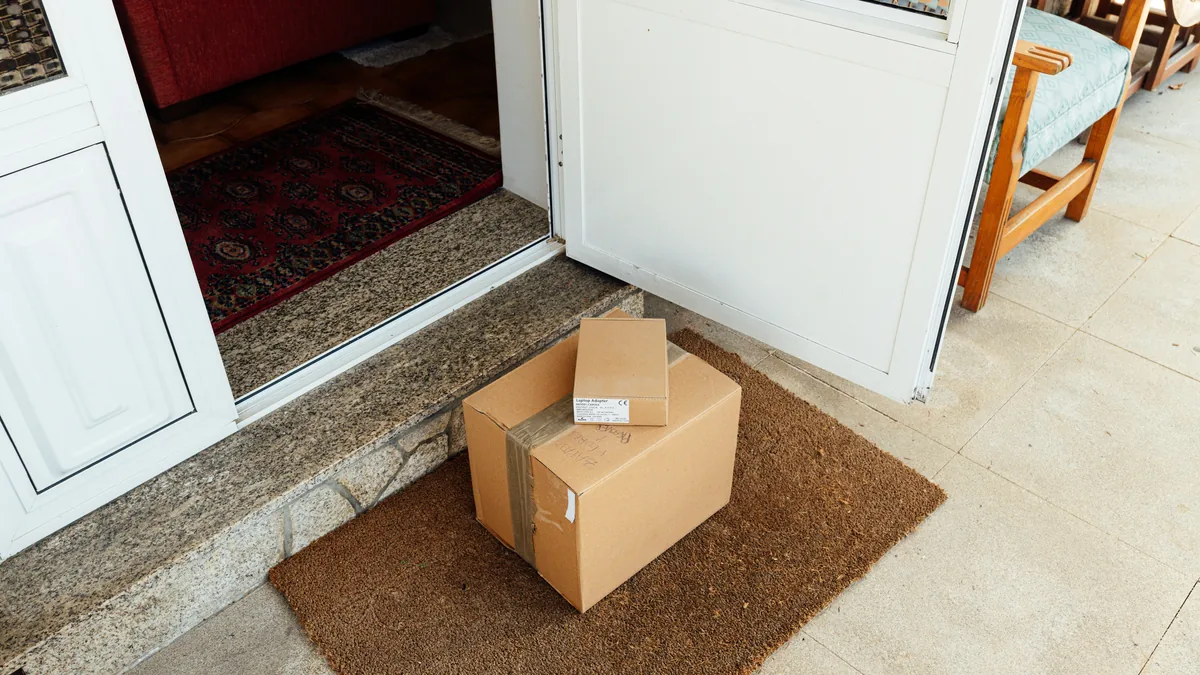
What happens next with the Amazon Prime settlement
The claim deadline passed on July 24, 2026. New claims for this settlement are no longer being accepted.
Payments come after approval, and after any appeals. Anyone who objected to the settlement can ask a higher court to look at it again — an appeal — and that has to finish first. Eligible payments are sent once approval is final, and the stretch from a claim deadline to money in hand often runs a year or more. It varies from one settlement to the next.
Filed this claim with Chimo? The status of your claim is on the claims page in your account.
Settlements you can still claim in October, 2026
NAR & Real Estate Brokerages
$300

Flo Period Tracker
$700

Tyson, Clemens, Seaboard, Hormel & Triumph
$30
Amazon Prime Class Action Lawsuit
A class action lawsuit has been filed against Amazon.com, Inc. due to alleged deceptive enrollment practices and difficult cancellation flows tied to its Prime subscription.
The Amazon Prime class action case—Federal Trade Commission v. Amazon.com, Inc., et al., Case No. 2:23-cv-00932-JHC—was filed by the Federal Trade Commission (FTC) in 2023 in the U.S. District Court for the Western District of Washington. The lawsuit claims Amazon used manipulative interface designs (“dark patterns”) to enroll users in Prime without clear consent and made cancellation unnecessarily complex, leading to unauthorized recurring charges.
These Amazon Prime lawsuit details highlight violations of the FTC Act and the Restore Online Shoppers’ Confidence Act (ROSCA). The case was overseen by Judge John H. Chun and reached a settlement and court-ordered judgment in September 2025—roughly two years after filing.
The Amazon Prime legal claims resulted in a $2.5 billion resolution, including consumer refunds and civil penalties, with settlement documents outlining eligibility and claims processes for affected users.
Amazon Prime Class Action Settlement - $2,000,000,000
The latest Amazon Prime settlement update confirms a $2.5 billion resolution in Federal Trade Commission v. Amazon.com, Inc., et al. (Case No. 2:23-cv-00932-JHC). The Amazon Prime lawsuit settlement amount includes $1.5 billion for consumer refunds and $1 billion in civil penalties.
Under the settlement, Amazon Prime settlement eligibility covers U.S. users who were unintentionally enrolled in Prime or who attempted—but failed—to cancel their subscription between June 23, 2019 and June 23, 2025. Eligible consumers can receive up to $51 depending on usage.
A unique aspect of this settlement is automatic payouts: some users will be refunded without filing a claim if they used minimal Prime benefits. Others must submit a claim within 180 days of receiving notice (e.g., July 27, 2026 for January 28 notices).
Amazon also agreed to major changes, including clearer disclosures, explicit consent before billing, and simpler cancellation flows—banning tactics like misleading “free” language and multi-step cancellation barriers.
Claims closed: July 24, 2026
Prime Class Action Payout: 51
The Amazon Prime settlement amount per person is capped at up to $51, depending on eligibility and usage. If you’re wondering how much will I get from Amazon Prime lawsuit, payouts vary based on factors like whether you were unintentionally enrolled or failed to cancel, and how many Prime benefits you used.
Estimated payout range: Claimants in this settlement may receive between $10–$51 based on usage levels, number of valid claims, and pro rata adjustments.
The Amazon Prime settlement payout date depends on your category:
- Automatic payments: Within ~90 days of the September 2025 order
- Claims-based payments: After claim review (up to 180 days to file + processing)
Factors affecting payout include:
- Number of Prime benefits used
- Valid claim submission and confirmation
- Total number of approved claims (pro rata reductions possible)
This settlement is unique because many users will be paid automatically without filing a claim.
Delays can happen due to claim verification, fraud checks, and distribution logistics. If you haven’t received payment, check the settlement site or confirm your claim status.
Prime Class Action Eligibility
Amazon Prime class action eligibility focuses on whether you were impacted by deceptive enrollment or cancellation flows. Amazon Prime class action claimants are identified using specific claim questions tied to court-defined criteria.
You may be asked:
- Did you enroll in Prime between June 23, 2019 – June 23, 2025?
- Do you believe your enrollment was unintentional?
- Did you attempt to cancel but were unable to complete the process?
- How many Prime benefits did you use in a 12-month period?
Amazon Prime Eligibility Factors
Factor
Why It Matters
Prime benefits used
Determines payout tier (≤3 = auto pay)
Cancellation attempt
Identifies failed “Iliad” flow users
Enrollment method
Flags “dark pattern” flows cited in court
FAQ
You may still qualify—this case specifically targets users who were enrolled without clear consent.
Yes. Some users will receive automatic payments if they used very few Prime benefits.
Things like free shipping, Prime Video, or exclusive deals—used to determine eligibility and payout.
The settlement limits refunds based on subscription fees and usage thresholds defined in court documents.
No traditional receipts are required—Amazon’s internal data is used to validate claims.
If you were confused during signup or cancellation, that’s exactly what the lawsuit addresses.